
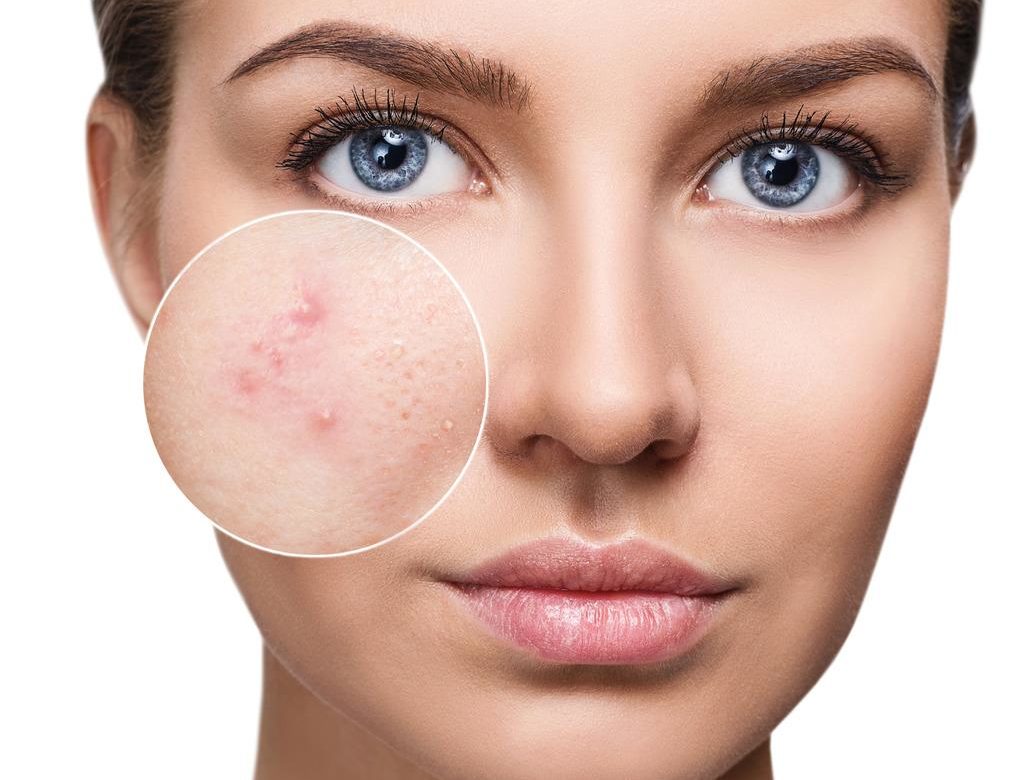
Acne Scarring – A Clinical Approach Supported by RevCeuticals Skincare and Nutraceuticals
Acne scars are classified as atrophic scars and represent one of the most common long-term complications of inflammatory acne. Clinically, they manifest as localized depressions of the skin surface caused by impaired dermal repair mechanisms. While they may appear subtle to others, for many patients acne scarring constitutes a significant aesthetic and psychological concern. Such scars are often difficult to conceal with makeup, and non-medical home remedies rarely provide clinically meaningful improvement.
From a medical perspective, atrophic acne scars develop as a result of insufficient collagen production during the wound-healing process. Collagen is a key structural protein responsible for maintaining skin strength, elasticity, and integrity. When inflammatory acne disrupts normal collagen synthesis, permanent dermal tissue loss may occur. Acne scars vary in morphology and severity — they may be shallow or deep, round or linear, isolated or widespread — and when located in visible facial areas, they frequently contribute to reduced self-confidence and diminished quality of life.
Importantly, not every acne lesion results in scarring. The risk is influenced by genetic predisposition, the intensity and duration of inflammation, and the quality of both medical treatment and daily skincare. Scarring is particularly common in patients who delay appropriate therapy, use unsuitable cosmetic products, or mechanically manipulate lesions. Squeezing or picking inflammatory eruptions, especially without strict hygiene, significantly increases the risk of secondary infection, prolonged inflammation, and subsequent scar formation.
For this reason, prevention remains a cornerstone of acne scar management. A well-structured skincare routine designed for acne-prone skin supports faster lesion resolution and optimizes the skin’s regenerative potential. Daily cleansing should be gentle yet effective, using antibacterial formulations with soothing and anti-inflammatory properties. Aggressive soaps, heavily fragranced products, and excessively drying agents should be avoided, as they may disrupt the skin barrier and exacerbate inflammatory processes.
Maintaining physiological skin balance is essential. Over-cleansing can induce irritation and paradoxically worsen acne severity. Restoring the skin’s natural pH with a properly formulated toner after cleansing is a critical step. Despite increased sebum production, acne-prone skin requires adequate hydration. Lightweight, non-comedogenic moisturizers developed specifically for problem skin play a key role in maintaining barrier function and supporting regeneration.
Within this comprehensive approach, RevCeuticals advanced dermocosmetic creams provide targeted support for skin affected by acne and post-inflammatory damage. Formulated with clinically selected active ingredients, RevCeuticals topical products are designed to support collagen synthesis, enhance skin renewal, and improve overall texture and resilience, making them an effective adjunct to both dermatological and aesthetic treatments.
In addition to topical care, RevCeuticals dietary supplements offer systemic support for skin regeneration from within. Carefully composed with vitamins, minerals, and bioactive compounds involved in collagen production, wound healing, and inflammatory modulation, these nutraceuticals complement external therapy and help optimize long-term skin health.
As part of a complete regimen, gentle exfoliation once or twice weekly — preferably using enzyme-based exfoliants — supports the removal of dead skin cells, helps unclog pores, and promotes physiological skin renewal without mechanical irritation.
A clinically oriented skincare protocol combined with RevCeuticals topical formulations and dietary supplementation provides a synergistic strategy for reducing the risk of acne scarring and supporting visible, long-term improvement in skin quality.