
Dry Facial Skin – How to Restore Comfort, Resilience and a Healthy Glow
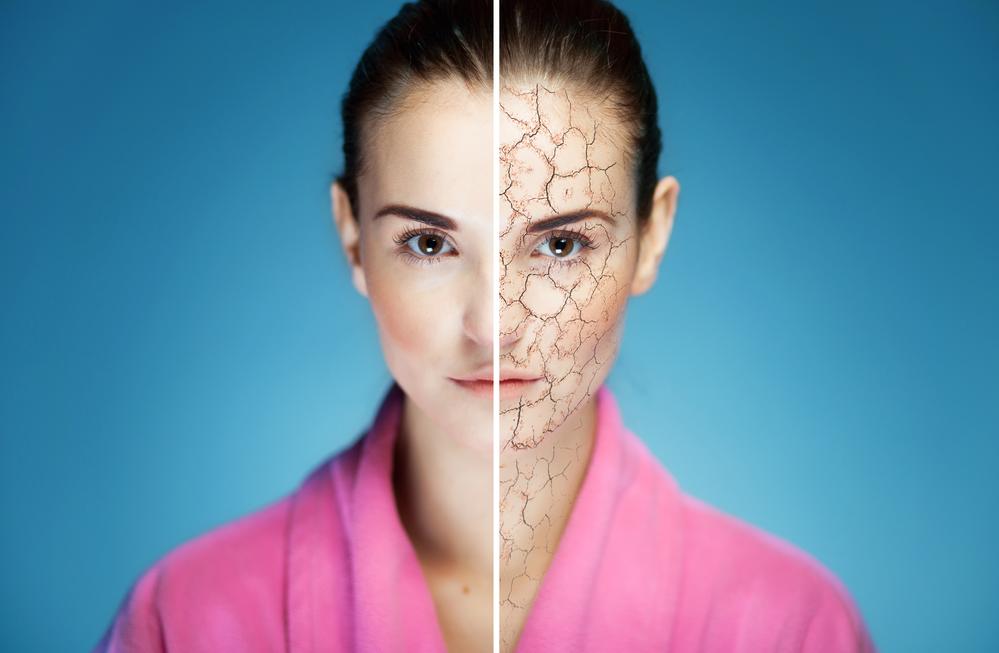
Dry facial skin can be challenging and uncomfortable. It often feels tight, itchy and rough, tends to peel or crack, appears dull and lacks elasticity. A weakened lipid barrier makes dry skin more susceptible to allergens, irritation and environmental stressors, and because it is less elastic, the first visible signs of ageing often appear earlier than in oily or normal skin types.
Caring for dry skin requires patience, consistency and a well-designed routine. Although it needs attention throughout the year, its condition often worsens in autumn and winter due to heated indoor air, cold outdoor temperatures, wind and sudden changes in humidity.
Below is a comprehensive guide on how to care for dry facial skin effectively and support it both externally and internally.
Cleanse Gently – Without Disrupting the Skin Barrier
Dry and sensitive skin does not tolerate harsh cleansing. Avoid traditional soaps, alcohol-based cleansers, products with strong fragrances, artificial dyes, menthol or eucalyptus. These ingredients can further disrupt the skin’s already weakened protective barrier.
Limit the use of water when cleansing, and if you do use it, ensure it is lukewarm rather than hot. Hot water removes impurities but also strips away essential lipids, increasing dryness and sensitivity. Ideally, use boiled or filtered water when possible.
Choose gentle cleansers formulated specifically for dry, sensitive or atopic skin, preferably those rich in emollients. These help cleanse without damaging the lipid barrier and support hydration. Natural ingredients such as goat’s milk can also be beneficial, as they help maintain physiological pH, soothe irritation and improve elasticity.
Make-up removal should always be thorough but gentle. Use mild lotions or hydrating micellar solutions and avoid rubbing the skin. After cleansing, gently pat the face dry with a soft towel, allowing it to absorb excess water without friction.
Moisturise, Nourish and Protect Daily
Dry skin requires frequent moisturisation, often several times a day. Day creams should provide hydration, lipid replenishment and protection against environmental stressors. UV radiation is particularly harmful to dry skin, so daily sun protection is essential, even outside summer months.
At night, use richer formulas designed to support regeneration and barrier repair. During autumn and winter, especially before going outdoors, replace light moisturisers with richer or semi-occlusive creams to protect the skin from wind, frost and temperature changes.
High-quality creams for dry skin should contain:
- Ceramides and cholesterol to rebuild the lipid barrier
- Essential fatty acids (such as linoleic acid from evening primrose or flaxseed oil)
- Squalane for improved elasticity and protection
- Hyaluronic acid and urea to bind and retain moisture
- Vitamins A, C and E for regeneration and antioxidant protection
- Vitamin B5 (panthenol) for soothing and barrier repair
RevCeuticals advanced moisturising creams are formulated to support long-term barrier restoration, provide deep hydration and protect dry, sensitive skin from premature ageing.
Targeted Serums for Intensive Support
When dryness is severe or accompanied by irritation, incorporating an intensive hydrating serum can significantly improve skin comfort and appearance. Apply the serum twice daily for several weeks, always after cleansing and before your moisturising cream.
Serums penetrate deeper layers of the skin due to their lighter texture and concentrated active ingredients, but they do not replace creams, as they lack occlusive protection and UV filters. Used together, a RevCeuticals hydrating serum and barrier-repair cream can markedly enhance skin regeneration and resilience.
Exfoliation – Yes, but With Caution
Dry skin still requires exfoliation, but it must be extremely gentle. Avoid mechanical scrubs and choose enzyme peels, which dissolve dead skin cells without friction. Exfoliating once a week is sufficient.
This step helps remove dull, flaky skin, improves tone and enhances the absorption of creams and masks. Always follow exfoliation with a nourishing cream or soothing mask to restore comfort and hydration.
Masks for Deep Hydration and Comfort
Face masks are an essential part of dry skin care and should be applied 2–3 times per week. Their role is to deeply hydrate, soothe irritation, improve elasticity and support regeneration.
Natural ingredients such as avocado, oats, honey and cocoa are excellent for dry skin. They nourish, calm inflammation and help restore softness and glow. Professionally formulated RevCeuticals masks provide a more controlled and advanced alternative, delivering bioavailable lipids, antioxidants and hydrating compounds to compromised skin.
Support Your Skin from Within
Dry skin is often influenced by internal factors. Reducing alcohol, caffeine, excess salt and spicy foods is essential. Equally important is supplying the body with sufficient essential fatty acids, vitamins and antioxidants.
Your diet should include:
- Fatty fish and seafood
- Nuts, seeds and cold-pressed oils
- Eggs and whole grains
- Fresh vegetables and fruits
- Adequate daily hydration
RevCeuticals dietary supplements are designed to complement topical skincare by supporting skin hydration, barrier function and regeneration from within, providing essential nutrients that are often lacking in modern diets.
Additional Lifestyle Considerations
Dry indoor air, especially during heating season, significantly worsens skin dehydration. Use humidifiers whenever possible and avoid smoking, as tobacco smoke accelerates barrier damage and skin ageing.
It is also important to remember that persistent dryness may be a symptom of underlying conditions such as thyroid disorders, diabetes, psoriasis or atopic dermatitis. If dryness is severe, persistent or accompanied by inflammation, professional medical advice is recommended.