
Hair Loss – Why Does It Happen and Can It Be Stopped?
Hair loss, also known as alopecia, is a problem that affects people of all ages. Although it occurs more frequently in men, women are by no means spared. The process of hair loss can develop gradually over many years, during which hair becomes weaker, thinner, and less dense until it eventually disappears. In some cases, however, hair loss progresses much faster, and significant shedding becomes noticeable during everyday washing, brushing, or styling.
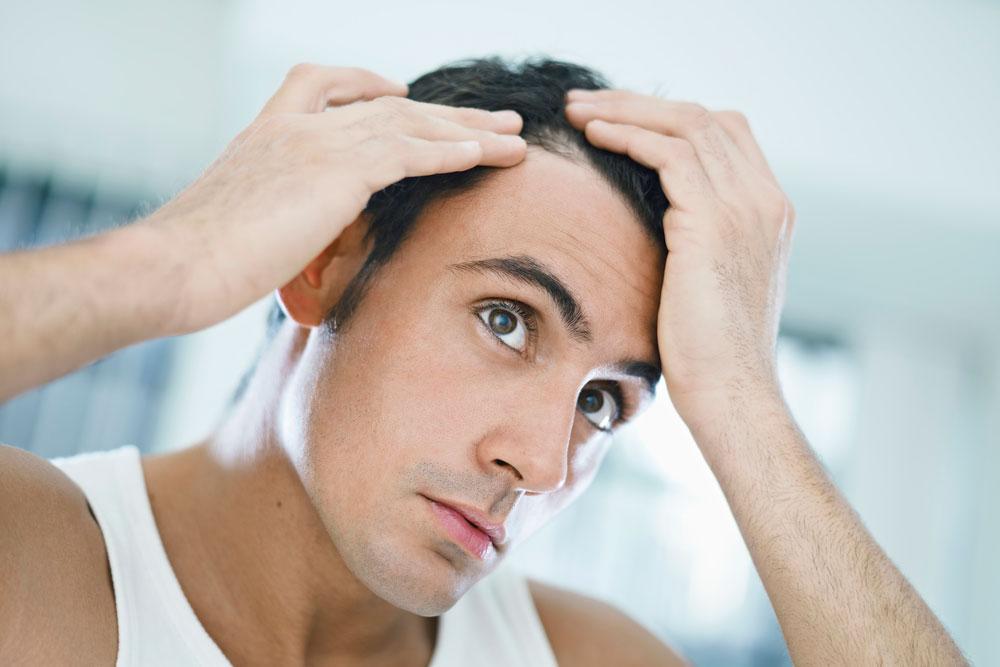
In men, hair loss most commonly presents as a receding hairline at the temples and forehead, while in women it usually manifests as diffuse thinning, particularly along the central part of the scalp.
Today, let’s take a closer look at the most common causes of hair loss and explore whether it is possible to slow it down or stop it altogether.
Why Do We Lose Hair?
Genetic predisposition (androgenetic alopecia) The most common cause of hair loss is genetic predisposition, often referred to as androgenetic alopecia. Although it is related to hormonal activity—particularly sensitivity of hair follicles to androgens—it is usually inherited from previous generations. However, genetic predisposition does not always mean that hair loss is inevitable or irreversible.
Chronic stress Long-term stress significantly weakens the body and has a direct impact on hair health. Elevated cortisol levels can disrupt the hair growth cycle, weaken hair follicles, and lead to excessive shedding and thinning.
Poor diet Hair condition strongly depends on nutrition. A diet lacking essential vitamins and minerals increases the risk of hair loss. Healthy hair requires adequate levels of iron, zinc, copper, magnesium, silicon, vitamin A, and beta-carotene. Nutritional deficiencies often manifest first in the hair, skin, and nails.
Thyroid disorders Hair loss is a common symptom of both hypothyroidism and hyperthyroidism. Even subtle hormonal imbalances related to thyroid function can significantly affect hair growth and density.
Hormonal fluctuations Excessive hair shedding often accompanies hormonal changes. It may occur during pregnancy and the postpartum period, menopause, or as a side effect of hormonal contraception.
Scalp conditions Diseases such as seborrheic dermatitis, psoriasis, dandruff, and fungal infections weaken hair follicles and impair their ability to produce strong, healthy hair, which can ultimately lead to hair loss.
Medical treatments and illnesses Hair loss is a well-known side effect of chemotherapy. Fortunately, it is usually temporary, and hair often grows back stronger and thicker after treatment. Severe infections accompanied by high fever, certain medications, and prolonged exposure to cold air may also contribute to excessive shedding.
How Can You Support Your Hair and Reduce Hair Loss?
Proper Hair and Scalp Care
Healthy hair starts with proper care. Choose shampoos with minimal chemical additives and fragrances that may irritate the scalp. Avoid aggressive detergents that disrupt the skin’s natural barrier.
At least once a week, perform a gentle scalp exfoliation to remove excess sebum, styling product residue, and environmental pollutants. Regular use of strengthening, nourishing, and regenerating hair masks helps improve hair resilience and reduces breakage.
Limit the use of heat styling tools whenever possible. Let hair air-dry naturally, as hot air weakens the hair shaft and irritates the scalp. If you color your hair, opt for gentle or organic formulations that minimize damage.
When to Seek Professional Help
When hair loss becomes noticeable and persistent, home care alone is often insufficient. In such cases, consulting a specialist is essential. Professional evaluation helps identify the underlying cause and allows for targeted treatment.
One effective approach is scalp mesotherapy, which involves injecting the scalp with carefully selected vitamins, amino acids, and micronutrients that stimulate hair growth and strengthen weakened follicles. Another highly effective method is platelet-rich plasma (PRP) therapy, where growth factors derived from the patient’s own blood activate dormant hair follicles and promote new hair growth.
It is important to note that visible results require a series of treatments rather than a single session, usually performed at regular intervals.
When Should You Be Concerned?
If your hair suddenly starts falling out excessively, becomes greasy very quickly, or you notice increased dandruff and scalp irritation, it is crucial to consult a specialist. A thorough scalp examination and, if necessary, additional diagnostic tests will help determine the cause and guide appropriate treatment.
Early intervention significantly increases the chances of slowing down hair loss and restoring healthier, stronger hair.